
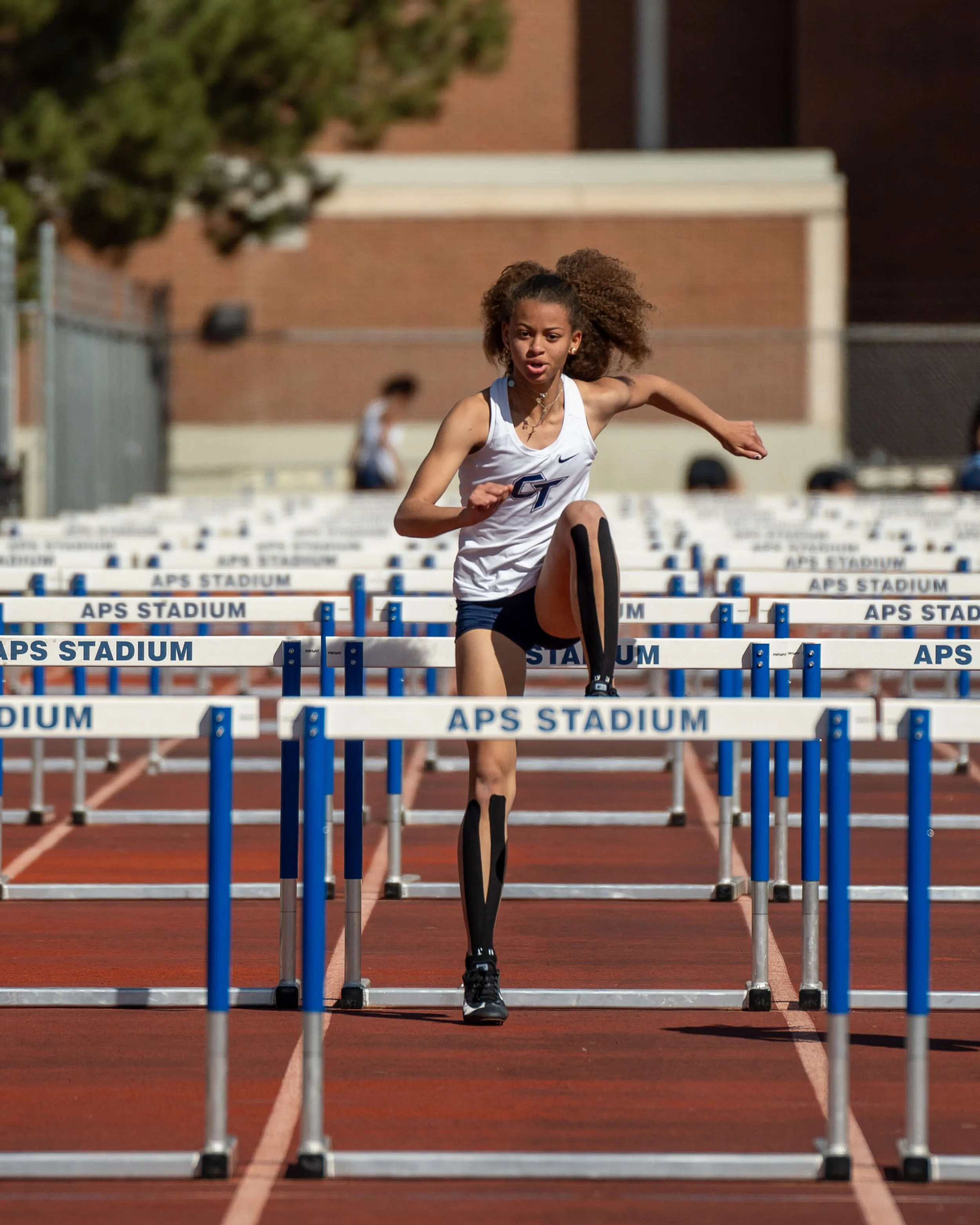
Build speed.
Keep the rhythm.
Hurdle coaching for 60H, 100H, 110H, 300H, 400H, and developing hurdlers who need cleaner spacing, better takeoff positions, faster clearance, more confidence, and stronger race execution.
A faster athlete is not automatically
a better hurdler.
Speed matters, but hurdling adds spacing, takeoff discipline, clearance mechanics, touchdown position, confidence, and event-specific rhythm.
Rhythm
Better races come from cleaner spacing, consistent cadence, and fewer speed breaks between barriers.
Takeoff Distance
Many clearance problems start before the hurdle. Takeoff location changes posture, flight, trail-leg timing, and landing.
Lead + Trail Leg
Efficient clearance should preserve sprint posture and get the athlete back to the ground without floating or twisting.
Race Execution
Short and long hurdles require different stride models, speed qualities, energy demands, and competition decisions.
Coach the event
the athlete actually races.
RYFT does not treat every hurdle race the same. Indoor hurdles, high hurdles, 300H, and 400H each create different technical and physical problems.
Beginner hurdlers can start with lower heights, shorter spacing, simple rhythm progressions, and confidence-building before full competition demands are introduced.
60m Hurdles
Start efficiency, first-hurdle attack, fast clearance, quick touchdown, and indoor rhythm.
High Hurdles
Start-to-hurdle rhythm, 3-step execution, posture, takeoff distance, lead/trail mechanics, and speed between barriers.
300m Hurdles
Stride pattern, curve rhythm, confidence, speed endurance, and clean technical execution under fatigue.
400m Hurdles
Race distribution, rhythm changes, alternate-leg skill, technical durability, and late-race execution.
Find the limiter
before choosing the drill.
A hurdler can repeat the same mistake hundreds of times. Better coaching identifies whether the real problem is speed, spacing, takeoff, clearance, touchdown, confidence, fatigue, or race model.
Clearer feedback.
More confident racing.
The goal is not to make an athlete look good in a drill. It is to help the athlete preserve speed, posture, rhythm, and decision-making when the barriers are at race spacing and the pressure is real.
Technical clarity without cue overload.
RYFT hurdle work can combine sprint development with hurdle progressions so technical changes stay connected to the speed qualities the event requires.
- Approach + first-hurdle rhythm
- Takeoff and touchdown positions
- Lead/trail leg efficiency
- Short- vs long-hurdle race modeling
- Confidence + progressive barrier exposure
in Colorado
in Colorado
#1 as a freshman.
#1 again as a sophomore.
One RYFT hurdler ranked #1 among Colorado freshmen, then came back the next season and ranked #1 among Colorado sophomores and #10 in the state. That is the kind of progress we want from hurdle training: more speed, better rhythm, cleaner technique, and confidence that shows up in races.
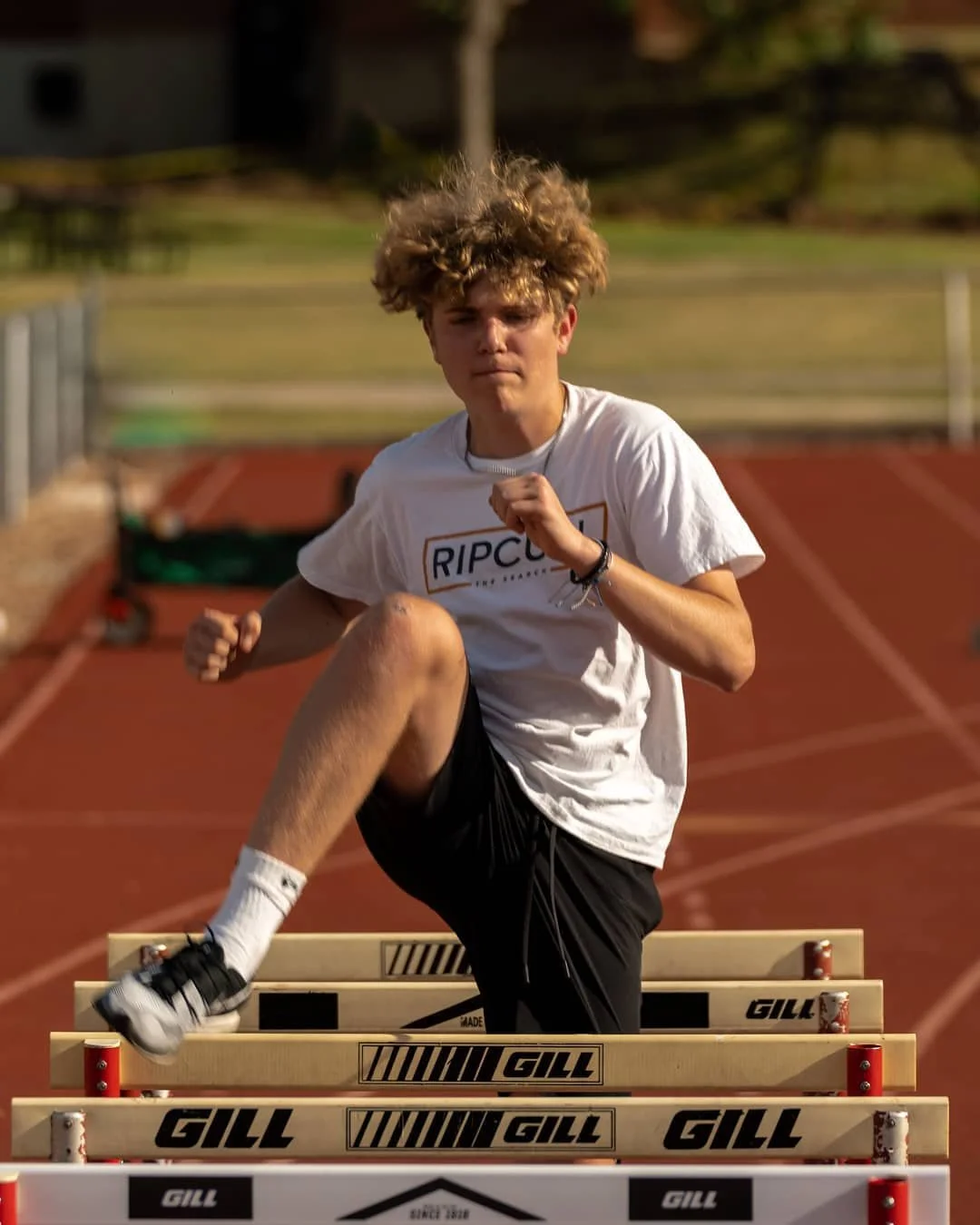
Based in Englewood.
Serving Denver-area hurdlers.
RYFT serves hurdlers from Englewood, Denver, Aurora, Centennial, Littleton, Greenwood Village, Highlands Ranch, Parker, and surrounding communities.
What families usually need to know first.
Start with the athlete evaluation if the best training path is not obvious.
What hurdle events does RYFT coach?
Does an athlete need hurdle experience to start?
Can hurdle coaching be private or club-based?
Can RYFT help with fear or hesitation?
Can RYFT help with 300H or 400H?
How should we start?
Better rhythm starts
before the hurdle.
Tell us the athlete’s hurdle event, experience, current training, goals, and biggest problem. RYFT can help determine whether private hurdle coaching, Track Club, sprint support, or another path makes the most sense.