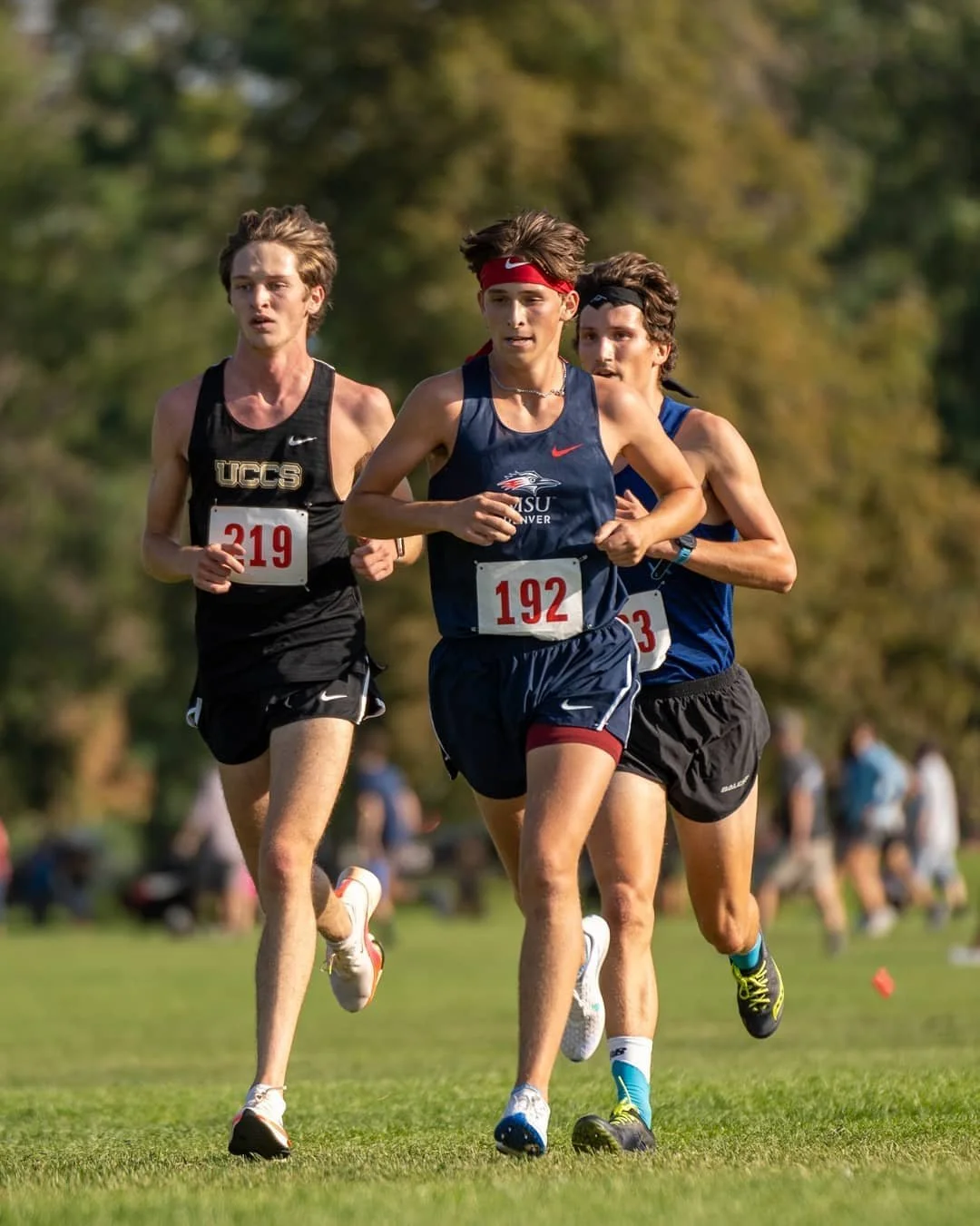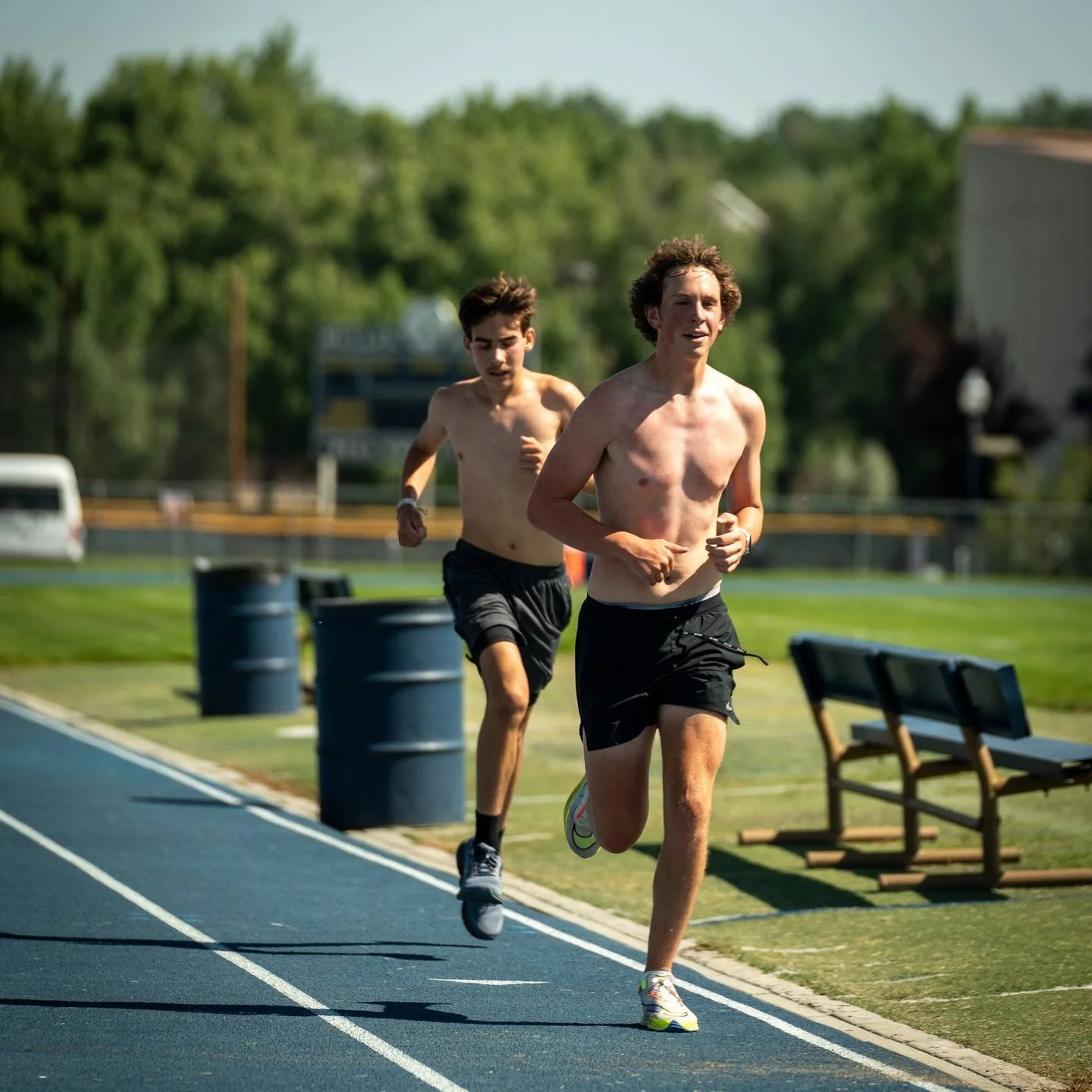
Distance Running Coach in Denver for Track, Cross Country & 800m–10K Athletes
RYFT helps Denver-area distance runners develop better pacing, speed support, mechanics, strength, durability, race strategy, training structure, and competition confidence.
- Distance support for youth, middle school, high school, college, adult, masters, and adaptive runners
- Support for 800m, 1500m, mile, 3000m, 5K, 10K, cross country, road racing, and general distance development
- Private coaching, track club, distance-support sessions, strength support, remote coaching, or a hybrid training path
- Based in Englewood near the Denver Tech Center and serving runners across the Denver metro
Distance runners do not always need more miles.
A better distance runner needs the right balance of aerobic development, speed support, mechanics, pacing, strength, recovery, durability, and race execution. Some runners need more endurance. Others need better rhythm, speed, strength, or smarter race decisions.
Training Structure
Distance runners need weekly training that fits their event, age, season, schedule, recovery ability, and current training history.
Pacing + Race Strategy
Many runners lose races before fitness is the issue. Better pacing, split discipline, and race planning can change outcomes quickly.
Speed Support
800m, mile, 5K, and cross country athletes often need speed, mechanics, strides, hills, rhythm, and finishing ability — not only more mileage.
Durability
Strength, mobility, mechanics, recovery habits, and load management help runners handle training without constantly breaking down.
Most distance problems are not solved by blindly adding volume.
More mileage can help the right athlete at the right time. It can also make the wrong problem worse. RYFT looks at the athlete’s event, training history, race pattern, speed, mechanics, durability, recovery, schedule, and season timing before guessing at the solution.
Mistake 1: Treating all distance runners the same.
An 800m athlete, 5K runner, cross country athlete, and adult road racer need different training priorities.
Mistake 2: Ignoring speed.
Distance runners still need speed, mechanics, strides, rhythm, and the ability to change gears when the race demands it.
Mistake 3: Racing without a plan.
Many runners train hard but race poorly because they do not understand pacing, positioning, surges, or when to commit.
Mistake 4: Waiting until injury to build durability.
Strength, mobility, mechanics, and recovery habits should support running before the athlete is already hurting.
Find what your distance training may be missing.
Answer a few quick questions and get a likely distance support priority based on event, race limitation, current training, speed exposure, strength support, and pain context. This is a coaching starting point, not a medical diagnosis. Current pain should be addressed before normal running volume.
Recommended Distance Support Priority
What RYFT would work on first
Complete the tool to see a likely priority.
What to avoid
Avoid guessing at mileage, workouts, or intensity before understanding the runner’s event, training history, race pattern, and limiter.
Coach note
The first correction should match the runner’s event and the part of training or racing that breaks down first.
Recommended path
RYFT can help decide whether private coaching, track club, strength support, remote coaching, or a hybrid distance plan fits best.
800m, mile, 5K, 10K, cross country, and road racing support.
Distance events are not all the same. The right training emphasis depends on the athlete’s event, season, goals, schedule, training history, and current limiter.
800m Training
Speed, speed endurance, race rhythm, pacing, mechanics, and the blend of sprint and distance demands.
1500m / Mile Training
Aerobic strength, speed endurance, pacing, tactical awareness, mechanics, and finishing ability.
3000m / 5K Training
Aerobic development, threshold work, pacing discipline, race rhythm, efficiency, and finish strength.
Cross Country Support
Pacing, hills, surfaces, strength, confidence, race strategy, and durability across varied terrain.
10K + Road Racing
Sustained endurance, pacing control, mechanics, strength durability, and long-term training structure.
We identify the biggest limiter before adding more training.
Distance support should connect the athlete’s event, goals, training history, current mileage, speed exposure, strength support, recovery, injury context, and season timing.
Evaluate
We look at the athlete’s event, goals, training history, weekly schedule, current mileage, injury context, race needs, and season timing.
Diagnose
The limiter may be pacing, mechanics, durability, speed, aerobic strength, recovery, consistency, or race execution.
Prioritize
We choose the first training priority most likely to help the athlete race better instead of adding stress for the sake of stress.
Coach
Athletes may get training structure, pacing guidance, speed support, strength direction, mechanics feedback, and meet/race strategy.
Connect
Distance support connects to school seasons, cross country, track, strength work, private sessions, remote coaching, and recovery needs.
Adjust
Distance development is refined through workout response, race results, feedback, recovery, schedule changes, and season planning over time.
Choose the right distance support path.
Some runners need private coaching. Some need club structure. Some need strength and speed support around school training. Some need remote guidance. The best option depends on the athlete’s event, goals, schedule, training history, and current needs.
For direct individual guidance.
Best when the runner needs specific feedback, schedule support, pacing help, mechanics review, or a more personalized training direction.
- Individualized feedback
- Flexible scheduling
- Useful for pacing, mechanics, durability, and race planning
For consistent training rhythm.
Best when the runner needs a team environment, weekly structure, event-specific direction, and support across the track season.
- Consistent weekly training
- Team environment
- Good for ongoing development
For runners who already have mileage.
Best when the athlete has a school or team plan but needs help with speed, mechanics, hills, strides, mobility, strength, or durability.
- Speed support for distance runners
- Strength and mobility for durability
- Helpful around school training
For runners who need structure from anywhere.
Best when the runner needs planning, accountability, training direction, race guidance, or support outside normal in-person practice.
- Training structure
- Remote guidance
- Useful for distance and road racing goals
Start with an athlete evaluation.
If you are unsure whether your athlete needs private coaching, track club, distance support, strength support, remote coaching, or a hybrid plan, the evaluation helps identify the best next step.
RYFT works with runners at different ages and stages.
A beginner runner, serious high school cross country athlete, 800m runner, adult road racer, masters runner, and adaptive athlete may all need different training priorities.
Younger runners learning pacing and rhythm.
Beginner runners need positive development, smart pacing, movement skills, confidence, basic endurance, and age-appropriate training.
- Beginner-friendly running support
- Pacing, rhythm, and confidence
- Age-appropriate training structure
High school track and cross country runners.
High school runners often need better race strategy, speed support, durability, strength, and structure around school seasons.
- Track and cross country support
- Speed, pacing, and race execution
- Offseason and in-season development
800m and mile athletes who need speed and endurance.
Middle-distance athletes need a blend of sprint qualities, aerobic support, speed endurance, race rhythm, strength, and tactical awareness.
- 800m and mile speed support
- Race rhythm and finishing ability
- Strength and mechanics support
Adult, masters, road, and adaptive runners.
Adult and masters runners often need structure, durability, pacing control, strength support, and training that fits life outside the sport.
- Smarter training structure
- Road racing and long-term support
- Durability and recovery emphasis
What athletes and parents say about RYFT coaching.
Distance support still needs real coaching, clear communication, and a training path that matches the athlete instead of forcing one generic plan.
Improved greatly while enjoying every practice.
“Jeremy is an amazing coach. He has been training my daughter for two years. She has improved greatly while enjoying every practice.” Jana E. — Parent of RYFT athlete
Number one ranking in Colorado in multiple events.
“Great coach. Helped my kid to a number one ranking in Colorado in multiple events. Highly recommended!!!!” Kyle D. — RYFT review
Unmatched knowledge, professionalism, and dedication.
“As a trauma nurse and Olympic-level athlete, I find Jeremy’s knowledge base, performance, persistence, and affordability to be unmatched.” Basia E. — Olympic-level athlete
RYFT distance support is built for runners who need more than a random mileage plan.
RYFT helps runners connect training structure, pacing, mechanics, speed support, strength, durability, recovery, and race execution into a clearer development path.
Distance coaching based in Englewood, serving runners across the Denver metro.
RYFT Athletics is based in Englewood near the Denver Tech Center and serves runners from Denver, Aurora, Centennial, Littleton, Greenwood Village, Highlands Ranch, Parker, and surrounding communities.
Distance training locations may vary by season, weather, terrain, facility access, training type, and athlete level.
Denver Distance Running Coaching for Track, Cross Country, 800m, Mile, 5K and 10K Athletes
RYFT distance running coaching serves athletes across the Denver metro who want more specific support for 800m, 1500m, mile, 3000m, 5K, 10K, cross country, road racing, pacing, mechanics, speed support, strength, durability, and race execution.
Because distance runners have different needs, RYFT does not treat every athlete the same. An 800m runner, high school cross country athlete, 5K runner, adult road racer, masters runner, and adaptive athlete may each need a different starting point.
Distance Coaching FAQs
What distance events does RYFT support?
RYFT supports 800m, 1500m, mile, 3000m, 5K, 10K, cross country, road racing, and general distance development.
Do runners need experience to start?
No. RYFT can support beginners, middle school runners, high school athletes, college athletes, adult runners, masters athletes, adaptive athletes, and more advanced competitors depending on fit and goals.
Is RYFT distance coaching just more mileage?
No. RYFT may help with mileage structure, but distance support can also include speed, mechanics, strength, durability, pacing, race strategy, recovery, and competition planning.
Can distance coaching be private, club-based, or remote?
Yes. Depending on the athlete, distance support may happen through private coaching, track club, strength sessions, remote coaching, video feedback, or a hybrid option.
Can RYFT help cross country runners?
Yes. RYFT can support cross country runners with pacing, hills, terrain confidence, strength, durability, race strategy, and track-based speed support.
Can RYFT help 800m and mile runners?
Yes. RYFT can support 800m and mile runners with speed, speed endurance, pacing, race rhythm, strength, mechanics, and the blend of sprint and distance demands.
Where does distance training take place?
RYFT is based in Englewood near the Denver Tech Center and serves athletes across the Denver metro. Exact training locations may vary by season, weather, terrain, facility access, and training type.
How do we get started?
Start with an athlete evaluation. RYFT will review the athlete’s event, goals, experience, schedule, training history, injury context, and current needs, then recommend the best distance support path.
Ready to build a smarter distance plan?
Whether your athlete needs help with pacing, speed support, mechanics, strength, durability, cross country preparation, race strategy, or training structure, RYFT can help point them toward the right training path.