
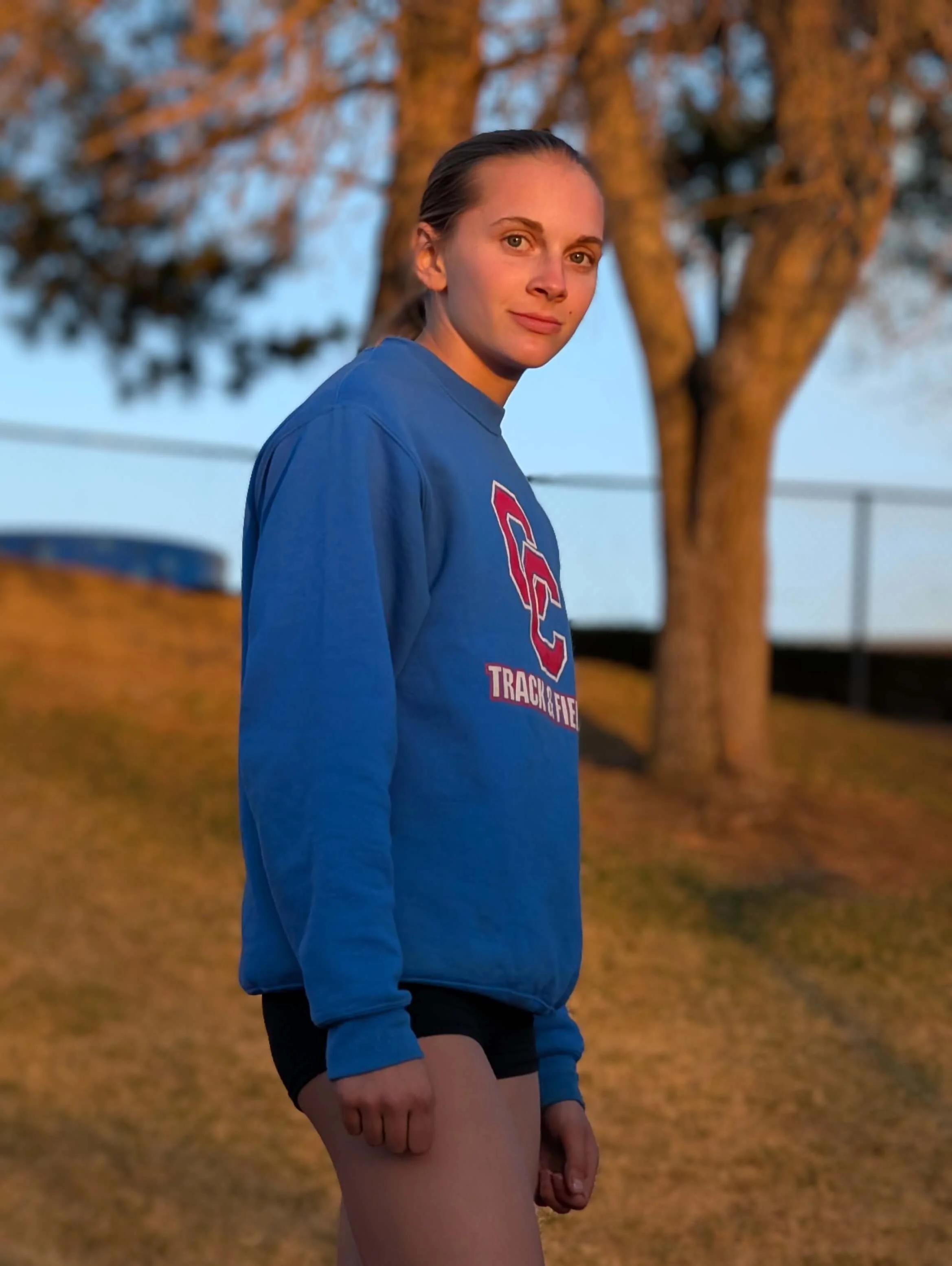
Train the whole athlete.
Connect every event.
RYFT combined-events coaching connects sprinting, hurdling, jumping, throwing, strength, endurance, and competition strategy so multi-event athletes are developed as one athlete—not as ten unrelated event sessions.
More events does not mean
more random training.
Combined-event athletes have to develop multiple technical events while still managing speed, power, strength, endurance, recovery, and competition sequencing. The challenge is deciding what deserves attention now without letting the rest of the athlete fall apart.
Build scoring strengths
Strong events should keep progressing. Combined-events training should not neglect what already creates competitive value.
Raise weak-event floors
Some events need enough technical improvement to stop giving points away without consuming the athlete’s entire training week.
Protect the whole athlete
Sprinting, jumping, throwing, lifting, and endurance work have to fit together so one event group does not sabotage another.
Decathlon + heptathlon.
One connected preparation model.
Exact event sets can vary by age, governing body, and indoor/outdoor season, but the core coaching problem stays the same: coordinate several event families inside one development plan.
Ten events. Two days.
Outdoor decathlon combines speed, hurdles, jumps, throws, pole vault, and the 1500m.
- 100m
- Long Jump
- Shot Put
- High Jump
- 400m
- 110m Hurdles
- Discus
- Pole Vault
- Javelin
- 1500m
Seven events. Two days.
Outdoor heptathlon combines hurdles, jumps, throws, sprinting, and the 800m into one competition.
- 100m Hurdles
- High Jump
- Shot Put
- 200m
- Long Jump
- Javelin
- 800m
Train what matters most
without losing the rest.
The right priority changes by athlete, phase, competition calendar, technical needs, and how much training stress the athlete can actually absorb.
Improve the event that needs coaching now.
Technical work can be emphasized without pretending every event deserves equal practice volume every week.
Develop qualities that transfer across events.
Speed, elastic ability, strength, power, mobility, and work capacity can support several events when organized correctly.
Prepare for the sequence, not just the individual event.
Warm-ups, event transitions, fatigue, emotional control, attempts, and two-day competition rhythm matter in combined events.
One athlete.
Combined-event development often requires coaching across sprints, hurdles, jumps, throws, pole vault, strength, and endurance. At RYFT, those pieces should not operate as separate programs competing for the athlete.
The goal is one coordinated training context: understand the athlete’s strengths, current limiting events, recent completed work, competition calendar, and recovery demands before deciding what comes next.
See the RYFT Athlete Development System →Combined events don't let you hide behind one strength.
Jeremy’s coaching history includes top-level results in sprinting, hurdling, jumping, and throwing — the same event families a combined events athlete has to bring together.
Build the full athlete.
Target the right event when needed.
Combined-event athletes may use RYFT Track Club, private coaching, or a combination depending on season, schedule, experience, and which events need the most direct attention.
What multi-event athletes and families usually ask.
Does RYFT coach both decathlon and heptathlon?
Does an athlete need experience in every event before starting?
Can RYFT help with pole vault as part of decathlon training?
Do combined-event athletes lift weights at RYFT?
Can a high school athlete train combined events even if their school does not offer them?
More events.
One development plan.
Start with an athlete evaluation so RYFT can understand the athlete’s current events, experience, goals, season, training environment, and the event groups that need the most attention.